And it’s a worrying read
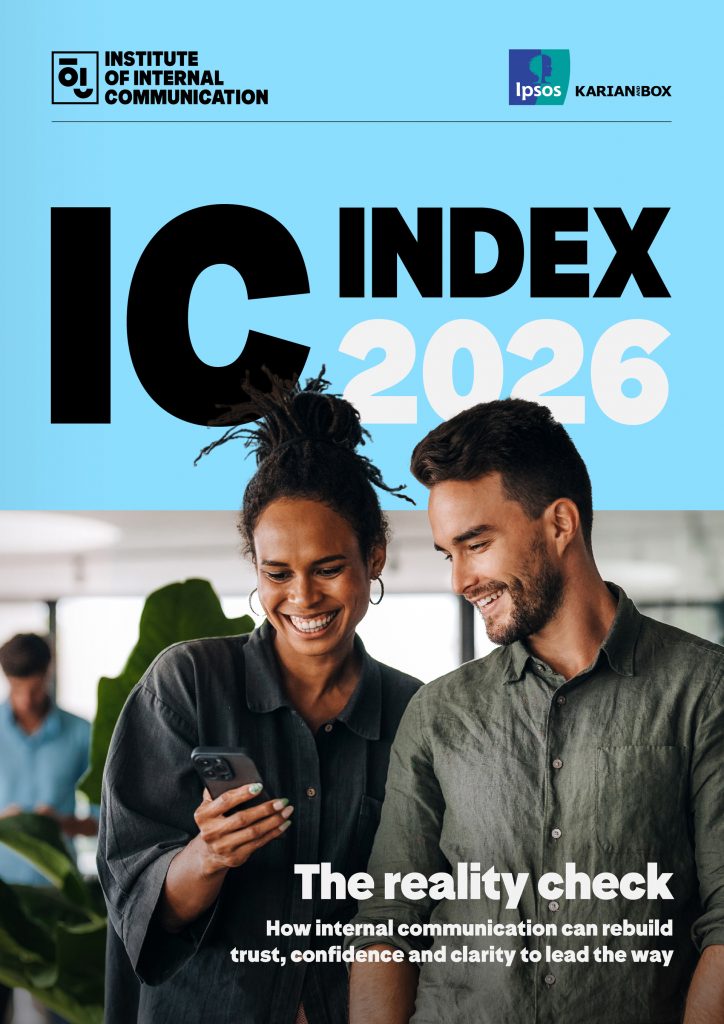
Overall the report presents a bit of a downturn in trust, advocacy, and in perceptions of internal communications, with employees rating communication efforts of organisations, managers and leaders in a less positive light.
These reports are always thought-provoking and raise questions about what we have been doing and should be doing in future as IC and change professionals. Here’s what came up for me as I read through the findings.
Ponder 1: Does having an Internal Communications function give leaders and managers an opt out of playing an acting role in communicating to the business?
The report highlights a growing gap in what employees expect or want from leaders and managers and what they get. The data shows that employees actually want more face to face/in person communication. Not just an email, or even a pre-recorded video. It also continues to verify that hearing about change from the CEO/senior leaders and managers directly generates higher advocacy and trust.
But if leaders have a bunch of professionals on tap that will readily create and deliver great content for you – why would leaders use their time to do get out there and deliver it themselves?
I’m not suggesting that we leave our leaders to it – that would inevitably end in chaos, but maybe Comms Teams need to be focusing less on the doing and more on the supporting, guiding, coaching of those that have a greater impact on trust and advocacy to do the communicating – leaders and managers – all the way to the CEO.
I’ve said it before and I’ll say it again – leaders and managers from the C-suite to the front line have proximity to and knowledge of their people that is vital to understanding what’s needed and getting comms to land well.
Those that do a good job in adapting comms for their teams have a positive impact on relevance, excellence and advocacy. But there is more work to be done here – for the 44% of employees who don’t feel comms are relevant to them.
Comms Teams can only dream of having that insight and must work closely with leaders/managers to capitalise on this proximity to ensure the right messages reach the right people in the right way (tone, channel, motivators, addressing concerns etc).
Ponder 2: I wonder how much of the decline in positive perceptions is down to organisations ditching comms professionals in favour of using AI to create and deliver content?
LinkedIn posts and industry reports over the last 12 months tell a story of struggle among highly experienced IC professionals to find work. There have been layoffs in both internal and external marketing / PR teams.
Connection matters – as the data clearly shows – and you’re not going to get people connected with generic AI generated content.
Managers, however, do feel more connected – so to my point above, how can we encourage them to spread the love and pass that on to their teams? Particularly direct managers garner more trust than senior leaders (73% vs 50% respectively).
Ponder 3: Is pre-recorded video dead? And if so, what’s next?
According to the data, yes. This was initially a bit of a surprise but then I thought about it. When so much of social media content now is AI generated, anything pre-recorded becomes questionable in its credibility.
I wonder if this is also in part because anyone these days can record a video message, but not everyone should. You are either born for the camera – or need to develop the skill for it. Watching a video of someone simply reading a script has got to be one of the most uncomfortable and least engaging forms of communication. Ever.
Face to face however is gaining favour – perhaps because it is easier to trust someone you meet in person, and maybe even shake hands with. You’ve connected – and we know from the data that matters.
The data also says trust in leaders is declining. I was surprised by the small amount of time managers spend communicating with their teams – the majority hovering around 15-30 minutes.
I know a lot of this is down to time constraints – but seriously, how long have we known about this conundrum? Leaders and managers are supposed to get things done through people – they shouldn’t have to spend their time ‘doing’ – unless it’s engaging their people.
And (I know some won’t like this but here goes…) if any leader or manager isn’t comfortable with getting out, staying in touch and connecting with their people, should they even be in that kind of role?
Some closing thoughts…
These are just the big themes that caught my attention whilst reading the report – and there is a lot more in there but more of less what we already know, re-confirmed.
The decline in positive perceptions of communications isn’t down to IC professionals not having an impact or doing their job. On the contrary, as the report concludes, the data (once again) shows that ‘Organisations with dedicated internal communication teams see stronger strategic alignment, greater advocacy and employees who feel better informed and represented.’
But we are communicating in a world that’s going through change, without a lot of clarity around what the new world is going to look like.
It is an ever-increasing challenge to give people a sense of security and clarity that will give them confidence to continue to work at their best. One thing is certain – now is not the time to be cutting back on IC teams that can help ensure communications maintain the human perspective and touch that people need to see them through the ongoing turbulence.
Looking for an Internal Communications partner?
Drop me a line, I’d love to chat about how my expertise can help your project or business navigate the future.
Leave a Reply